Designing Renovation Phases for Smooth Hotel Operations

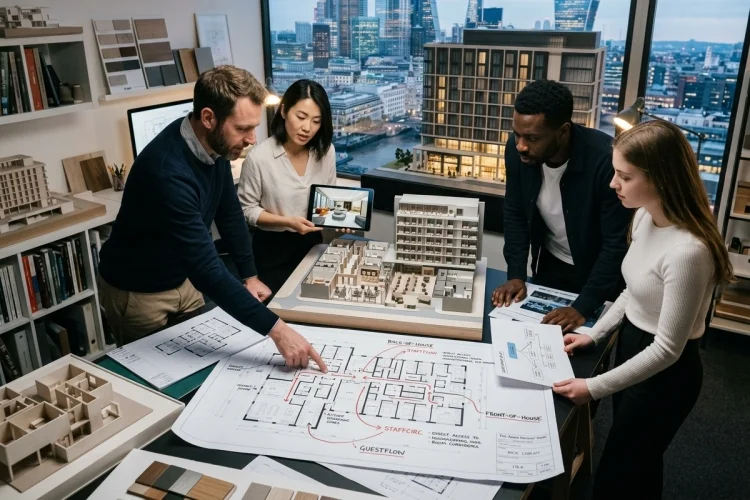
Designing Renovation Phases for Smooth Hotel Operations

Renovating a hotel that remains open is basically an exercise in controlled contradiction. Contractors need access, noise, materials, and empty spaces, while guests expect calm, privacy, and uninterrupted service. Designing Renovation Phases properly allows both realities to exist inside the same property without creating unnecessary chaos. Instead of treating construction as one large project, hotel … Read more

Designing Resort Amenities for Longer Stays and Better Guest Fit

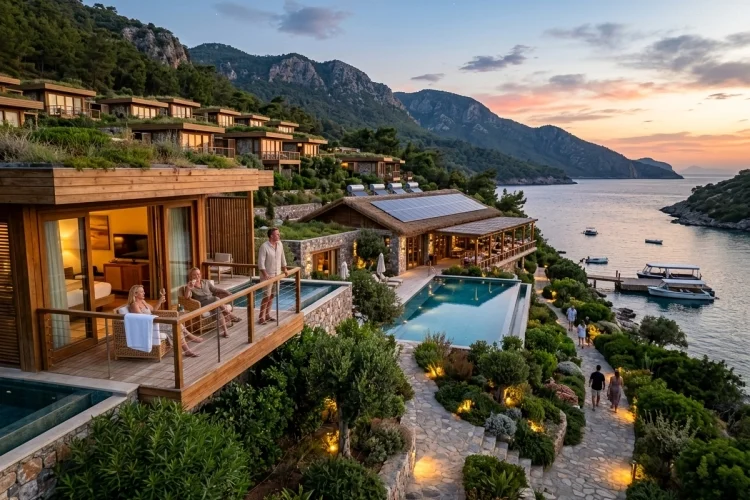
Designing Resort Amenities for Longer Stays and Better Guest Fit

Resort amenities become expensive very quickly. Every pool needs maintenance, every restaurant needs staff, and every recreation facility consumes land that could have another commercial use. The answer is not necessarily offering less-it is offering the right things to the right guests. Designing Resort Amenities around customer segments and expected stay duration allows developers to … Read more

Designing Low-Carbon Resorts for Luxury and Lower Emissions

Designing Low-Carbon Resorts for Luxury and Lower Emissions

Sustainability becomes much harder when the product being sold is indulgence. Resort guests expect generous spaces, swimming pools, spas, air-conditioning, beautiful landscaping, destination dining, and highly responsive service. Yet those expectations do not automatically make low-carbon hospitality impossible. Designing Low-Carbon Resorts means finding smarter ways to deliver the same emotional outcomes with fewer emissions. Instead … Read more

Designing Hotel Architecture Around Flow, Comfort, and Performance

Designing Hotel Architecture Around Flow, Comfort, and Performance

The best hotel architecture often feels surprisingly effortless. Guests know where to go, restaurants feel easy to reach, housekeeping activity stays almost invisible, and public spaces seem busy without becoming chaotic. Achieving that simplicity requires considerable planning behind the scenes. Designing Hotel Architecture is therefore not just an artistic challenge. Architects must connect guest journeys, … Read more

Designing Mixed-Use Resort Plans That Stay Commercially Flexible

Designing Mixed-Use Resort Plans That Stay Commercially Flexible

The most successful resort master plan is not necessarily the one that predicts the future perfectly. It is the one that can survive when those predictions turn out to be wrong. Designing Mixed-Use Resort Plans means creating a destination where hotels, residences, restaurants, shops, wellness spaces, and entertainment can evolve as demand changes. Instead of … Read more

Measuring Dining Frequency and Spend for Smarter Guest Value

Measuring Dining Frequency and Spend for Smarter Guest Value

A hotel guest who eats breakfast every morning, a local who visits the rooftop bar twice a month, and a corporate client who organizes quarterly dinners may all generate similar annual spending. Yet the reasons behind that value are completely different. Measuring Dining Frequency and Spend across hospitality guest segments helps operators see these distinctions. … Read more

When Premium Dining Categories Converge: How Restaurants Stay Distinctive

When Premium Dining Categories Converge: How Restaurants Stay Distinctive

Fine dining is becoming more relaxed. Casual restaurants are becoming more sophisticated. Fast-casual brands are using better ingredients, chef-driven menus, design-led interiors, and increasingly premium price points. The result is a restaurant market where traditional category labels tell customers less than they once did. When Premium Dining Categories Converge, differentiation shifts away from simply being … Read more

How Restaurants Reduce Service Bottlenecks During Peak Hours

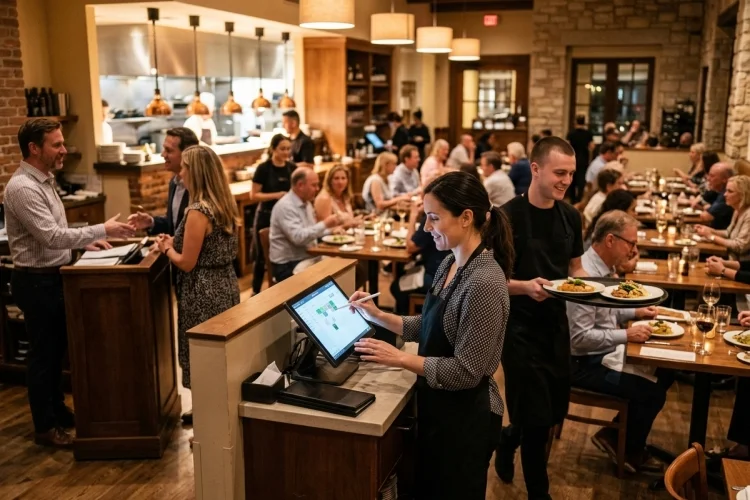
How Restaurants Reduce Service Bottlenecks During Peak Hours

The dinner rush rarely fails because every part of a restaurant suddenly becomes inefficient. Usually, one part reaches its limit first. The grill gets buried, drinks pile up at the bar, expo cannot coordinate plates, or servers wait behind one crowded POS station. Everything behind that constraint then starts slowing down. How Restaurants Reduce Service … Read more

Designing Menu Architecture to Turn Demand Into Higher Margin

Designing Menu Architecture to Turn Demand Into Higher Margin

Guests rarely think about the financial logic behind a restaurant menu. They simply see appetizers, entrĂ©es, desserts, beverages, and prices. Behind that simple experience, however, every menu choice affects contribution margin, kitchen demand, average check, and purchasing requirements. Designing Menu Architecture effectively means deciding not only which products belong on the menu but also how … Read more

Designing F&B Cost Structures for Complex Hospitality Service

Designing F&B Cost Structures for Complex Hospitality Service

Two restaurants can generate identical revenue and still have completely different economics. One might serve a focused menu from a compact kitchen, while another offers breakfast, cocktails, private dining, room service, customized dietary requests, and tableside presentation. Revenue alone does not capture the additional people, equipment, time, and coordination behind that second model. Designing F&B … Read more